How Do Cruise Ships Get Rid Of Their Sewage

Where Does The Poop Go The Hidden Machines Of Cruise Ships

Cruise Ships Dumped A Billion Gallons Of Sewage Environmental Group Says Youtube
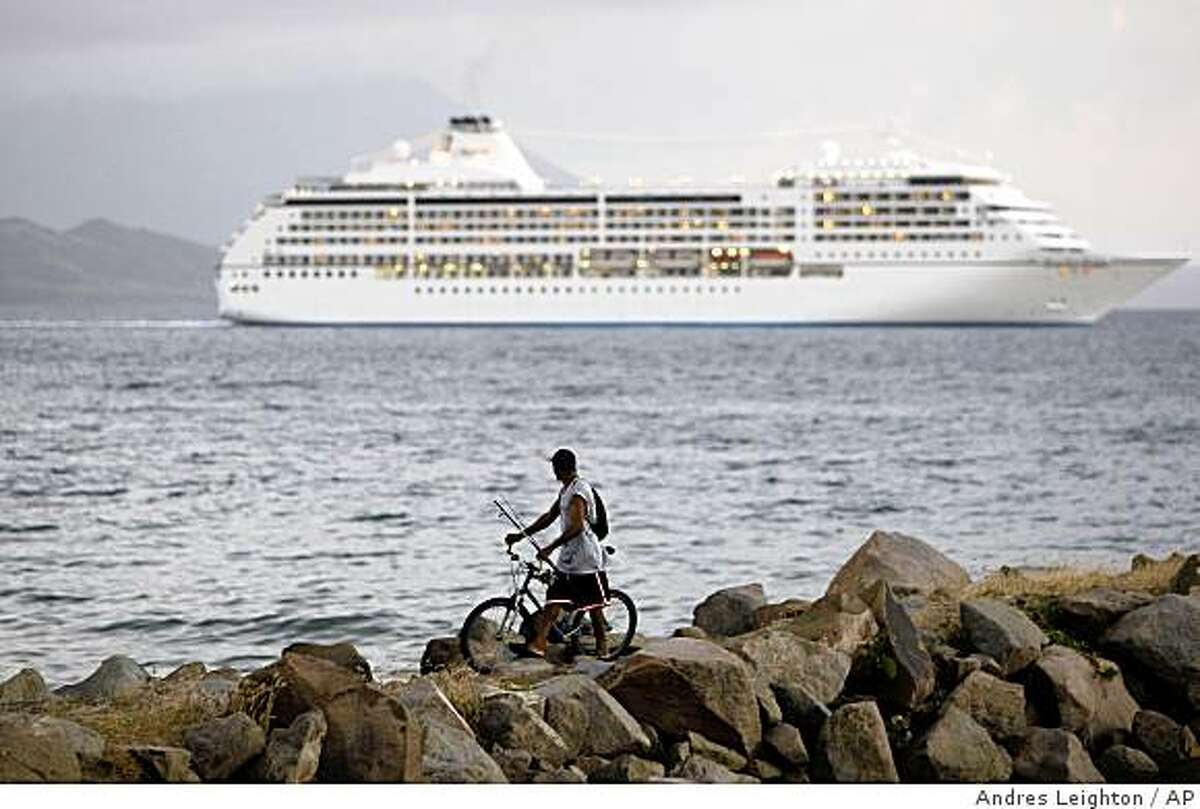
Caribbean Cruise Ships Dump Garbage At Sea

What Happens After You Flush On A Cruise Ship Youtube
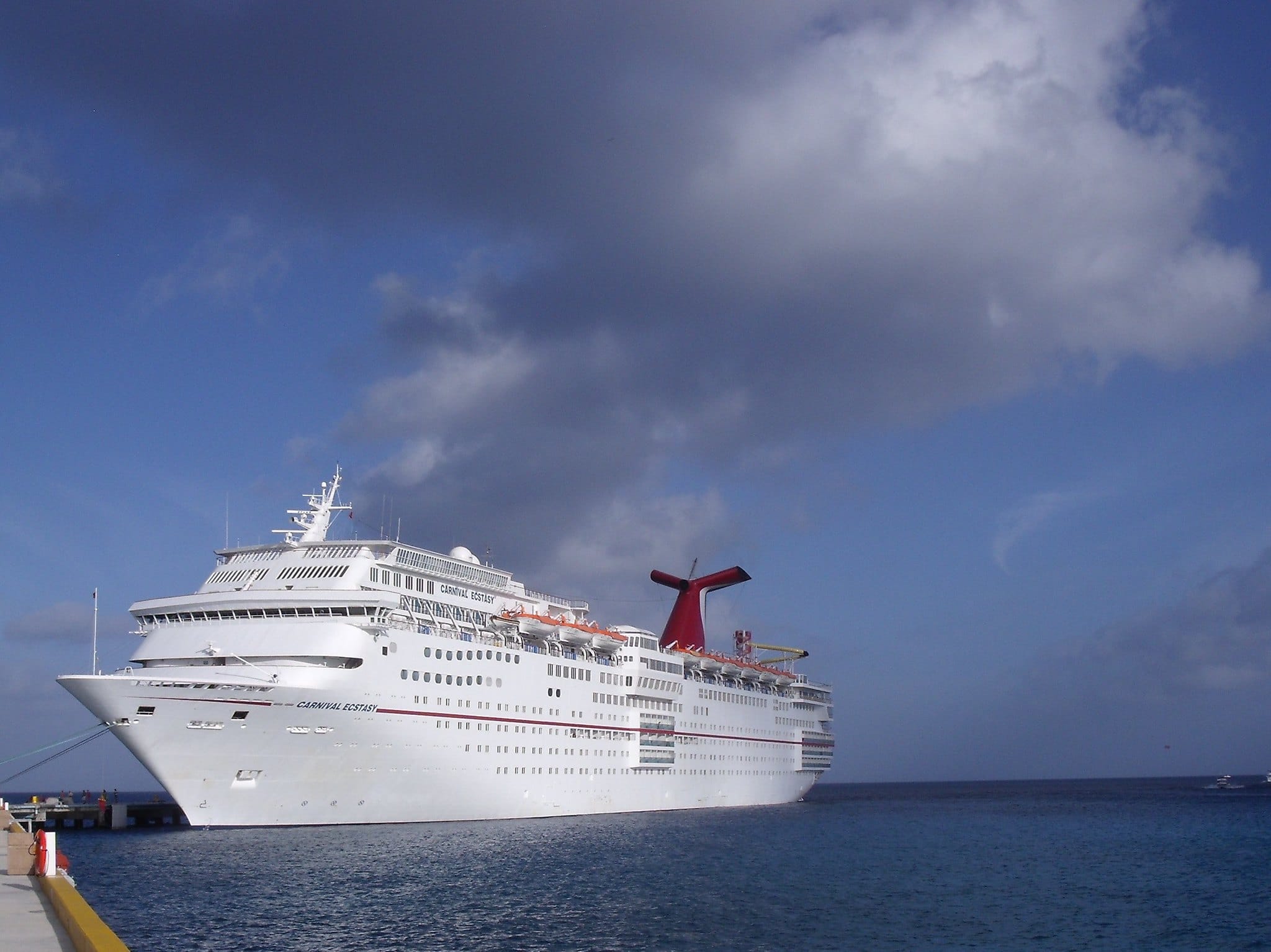
Cruise Ships Stop Destroying Oceans Friends Of The Earth

What Happens When You Flush The Loo On A Cruise Ship Telegraph Travel

Waste water is the second biggest part of onboard waste.
How do cruise ships get rid of their sewage. It grades each cruise line and ship from AF based on how they deal with four different elements of sustainability. All ships in special areas - like the Caribbean - and in fact world-wide have to treat their sewage via a Sewage Treatment Plant that is certified by IMO the International Marine Organisation. The navigation system engines power plant water filtration and purification plants sewage plants photography plants laundry and dry-cleaning facilities kitchen galleys a morgue and storage lockers.
By the time this water is released back into the ocean it has been cleaned enough to be safe for dumping into the ocean. Sewage treatment air pollution reduction water quality compliance and transparency though everyone except Disney and Royal Caribbean Group gets an F for this as the other cruise lines have boycotted the survey and any. On some cruise ships especially many of those that travel in Alaskan waters sewage is treated using Advanced Wastewater Treatment AWT systems that generally provide improved screening treatment disinfection and sludge processing as compared with traditional MSDs marine sanitation devices.
These cruise lines treat sewage properly are working to reduce air pollution and comply with water quality standards to ensure your vacation is contributing as little as possible to the destruction of our environment. There are separate teams to deal with each incoming recyclable. Vacuum suction lines zip toilets contents to marine sanitation farms which siphon out the water treat it until its drinkable then pump it into the ocean.
Oceana calls on cruise ship companies to take responsibility for their passengers health and the health of the oceans by upgrading to state-of-the-art sewage treatment technology fleet-wide said Ms. Chefs and waiters keep food scraps in separate buckets. Cruise ships like Symphony have a designated waste and recycling center.
New technology is being used effectively but only on a few ships that cruise in Alaskan waters -. The EPA sampled wastewater from four cruise ships that operated in Alaska during the summer of 2005 to collect information on nutrients in cruise ship wastewater. The average cruise ship with 3000 passengers and crew generates about 30000 gallons of human waste and 255000 gallons of non-sewage gray water every day.
Then once theyve gotten enough they place it all in this. Reverse-osmosis membranes filter out salt and evaporators use heat from the engine to boil off the fresh H 2. Cruise ships view the ocean as their personal garbage bin disposing hazardous chemicals sewage and more right into the oceans.

The Perils Of Cruise Ships As Told By Titanic
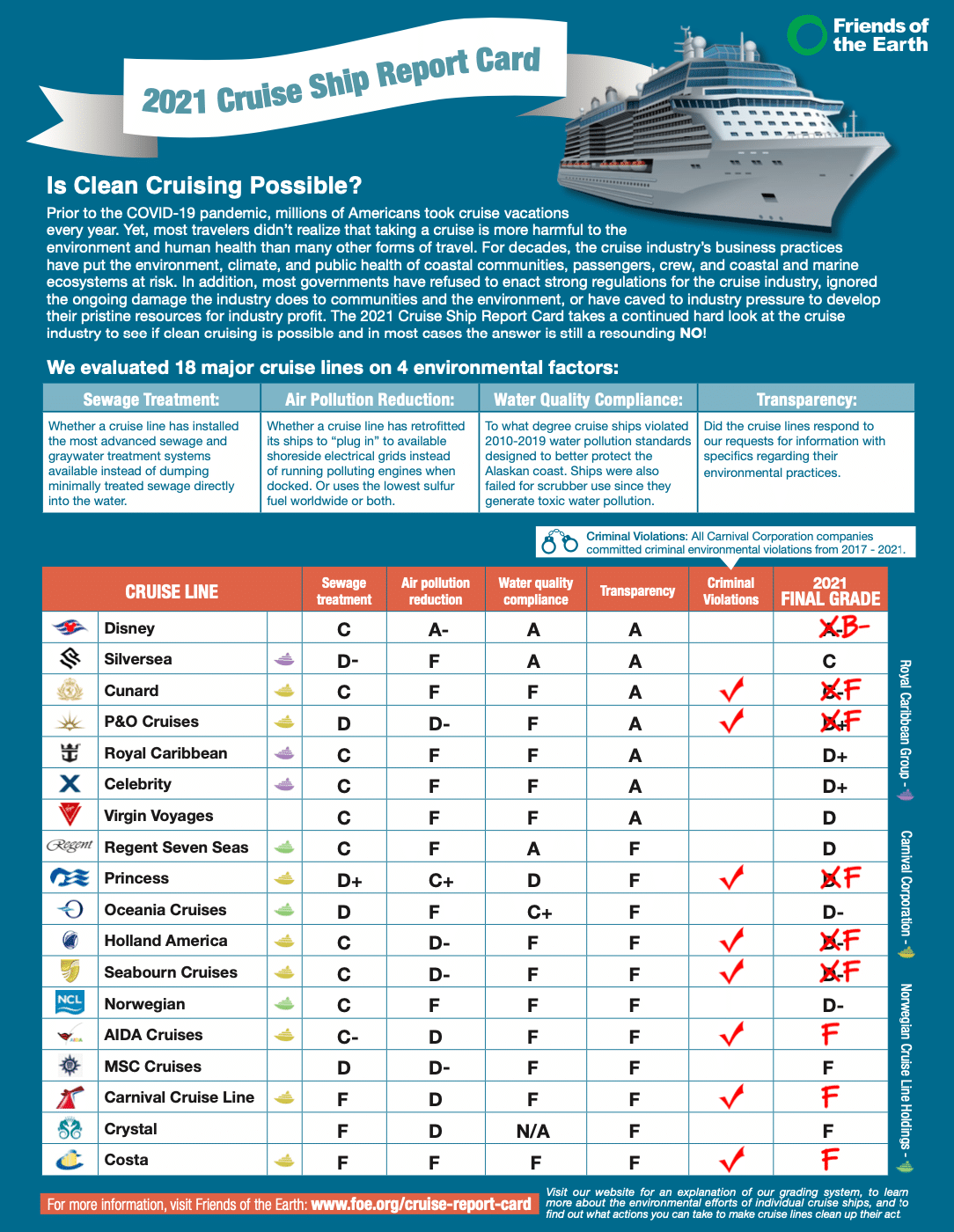
Cruise Ships Stop Destroying Oceans Friends Of The Earth

Police 3 Men Used Stolen Credit Cards On Cruise Ship In Florida

Different Types Of Tankers Extensive Classification Of Tanker Ships In 2021 Tanker Ship Ship Marine Engineering
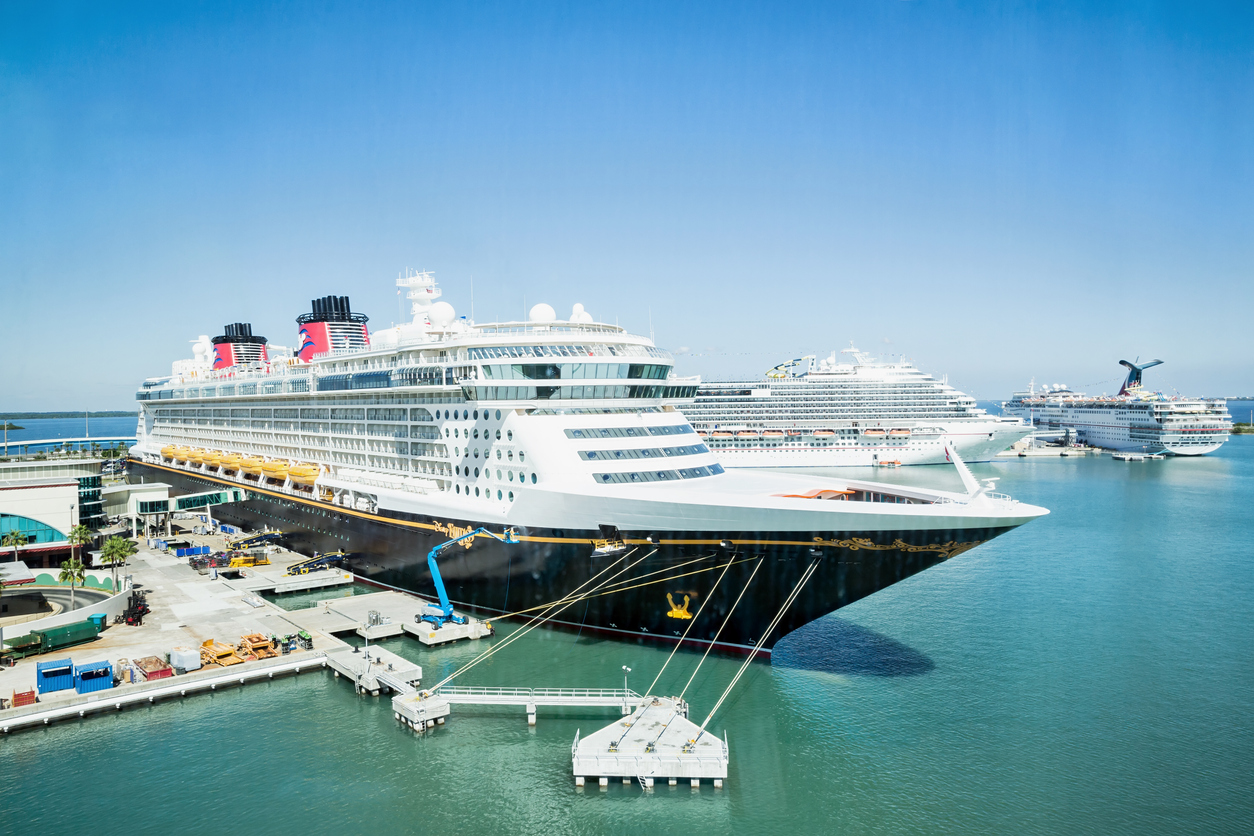
Is The Environmental Damage Due To Cruise Ships Irreversible The Dope Is The Environmental Damage Due To Cruise Lines Reversible

Power Knot Cruise Ships Set Sail With Power Knot Biodigesters On Board

Carnival Cruise Lines Hit With 20 Million Penalty For Environmental Crimes Npr

Disney Gets Top Grade On Cruise Ship Pollution Report
Report Pollution From The Cruise Ship Industry Is Still Massive Cruise Ship Cruise Pollution

Cruise Lines Ditching Plastic An Environmental Win For The Sector
2

Cruise News Cruise Ship Paradise

Shipbuilding Industry Issue 5 2020 By Yellow Finch Publishers Issuu

20 Sketchy Facts About Carnival Cruises Thetravel

