How Do Cruise Ships Move Sideways
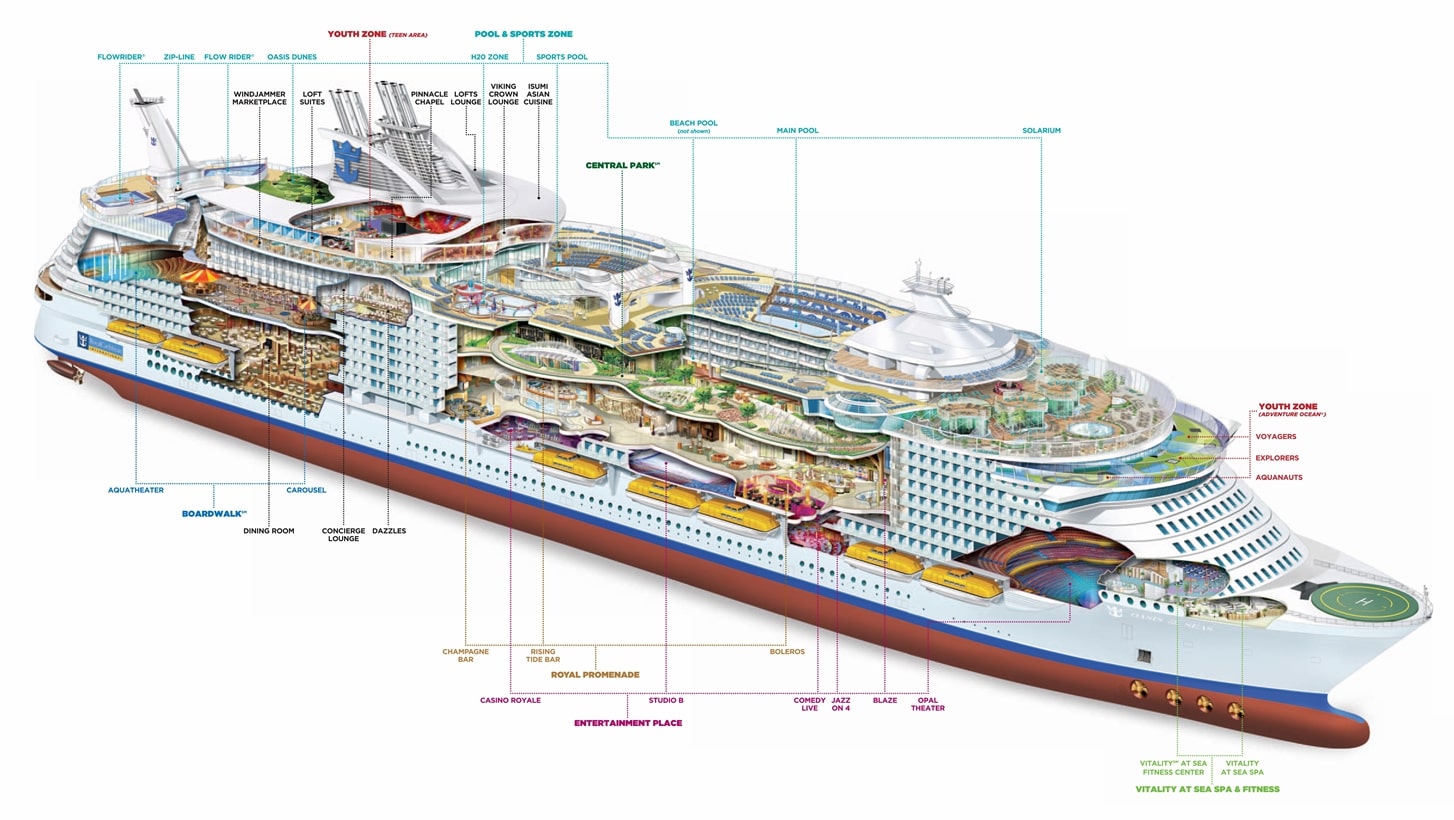
Why Don T Cruise Ships Tip Over Cruise Blog

Chart Describes Events That Happened During The Sinking Of The Ms Costa Concordia Concordia Francesco Schettino Costa Concordia Disaster
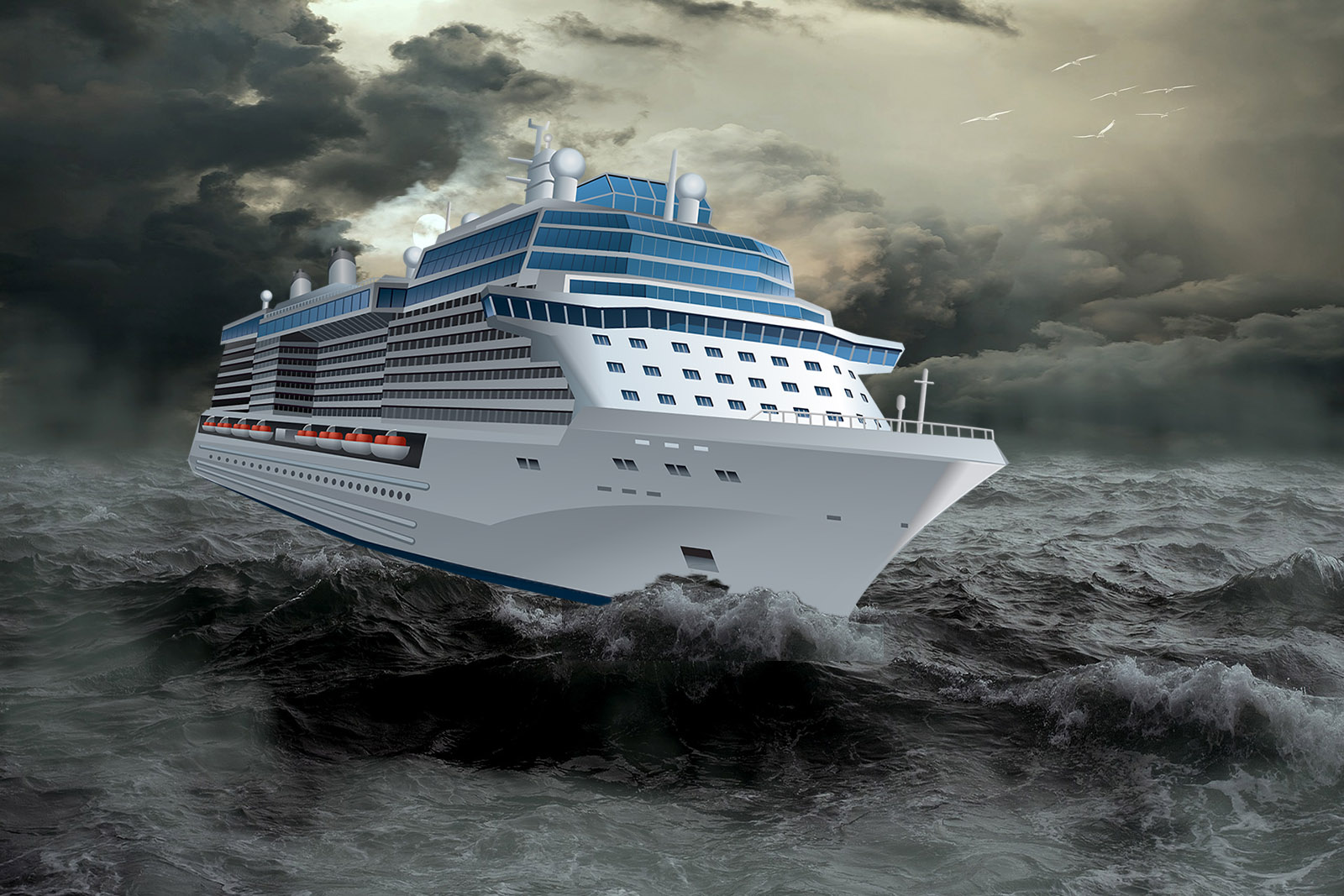
Why Don T Cruise Ships Tip Over Cruise Blog

Wrecked Cruise Ship With A Tilted Earth Concordia Cool Photos Cool Pictures

Beyond The Wow The Six Types Of Ship Motion Nautilus Live Youtube
Are Cruise Ships And Merchant Ships Able To Go Backwards Without A Tug Boat To Assist Quora
Cruise ship stabilisers can eliminate about 85 of the roll the side to side rocking motion but unfortunately they do nothing to elimiate pitching the up and down motion.
How do cruise ships move sideways. Do not forget you. The transverseY axis lateral axis or pitch axis is an imaginary line running horizontally across the ship and through the centre of mass. So you can put it at 90 degrees to move the ship sideways and use them in conjunction with the bow thrusters for turning in circles or sideways says Captain James MacDonald of Royal Caribbean.
How do boats move. Yes you can get them both at the same time. Unlike airplanes which require tremendous propeller speeds to provide the forward motion needed for flight cruise ship propellers do not need to turn as fast.
Up To 100 Instant Savings 50 Off Every Guest Kids Sail Free. If the ship moves 30 feet sideways through the water then that means that it would displace 30 x 860 x 38 cubic feet of water which works out to about 63 million pounds of seawater that needs to be pushed out of the way. The ships captain will attempt to eliminate pitching by setting a course that results in waves crashing from the sides so the stabilisers can come into play.
Cruise ships visit extremely popular destinations and share port waterways with a flotilla of small and large vessels. This is roughly about half of the weight of an Iowa. Cruise Ship Movement In Good Weather.
The verticalZ axis or yaw axis is an imaginary line running vertically through the ship and through its centre of mass. These days they are built in a dry dock and then at a float-out ceremony the sea is allowed to flood the dry dock and then the ship is in the water. If you are cruising on a particularly small or old cruise ship this may increase but generally speaking if you are sailing at a consistent speed in good weather you will not be able to feel movement when onboard.
The propeller is on the front of the pod and thus pulls the ship through the water rather than pushes it as with a traditional propeller and shaft system. Most ships have two stabilizers one on each side of the ship. Steam pressure in chambers pushed pistons up and down.

Why Don T Cruise Ships Tip Over An Introduction To Ship Stability Youtube
Can Cruise Ships Reverse Quora

Acro Yoga In Galapagos Ecuador Acro Mates Acro Yoga Acro Yoga

How Stabilisers Reduce A Ship S Roll Youtube
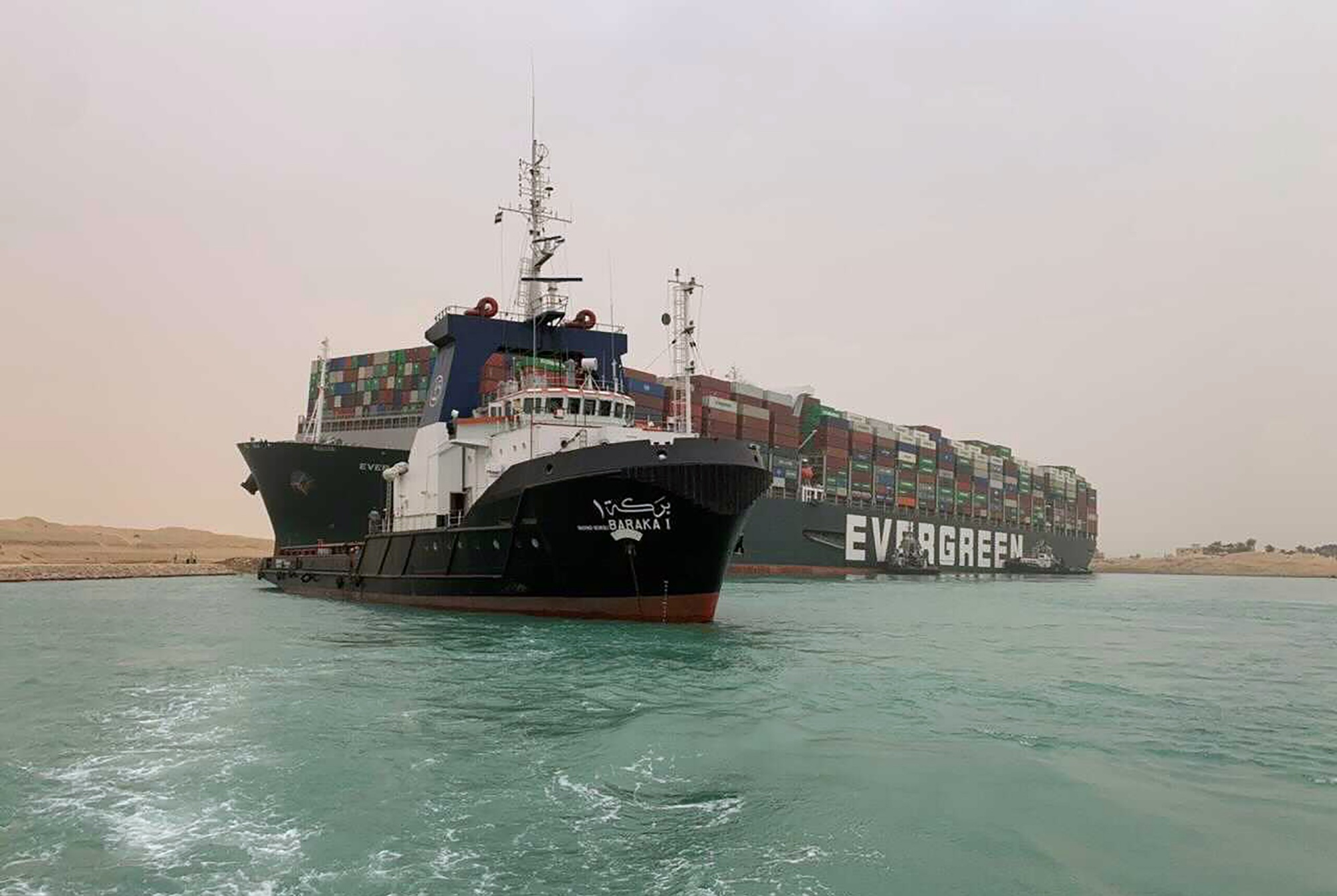
Suez Canal Blockage Closer To Resolution On Efforts To Move Ship

Norwegian Passengers Injured After Cruise Ship Tilts People Com
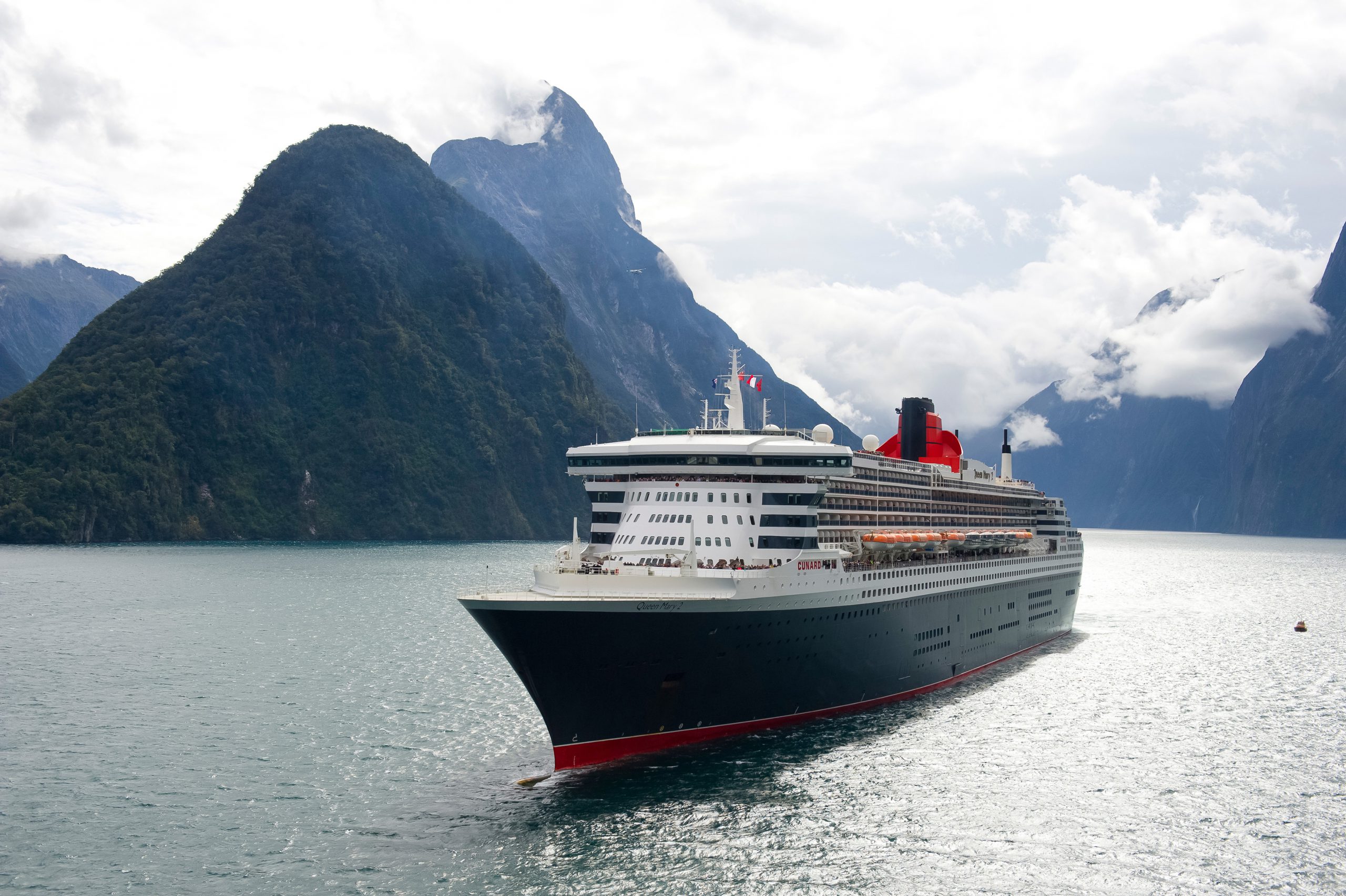
Innovative Ship Propulsion Design Evolution
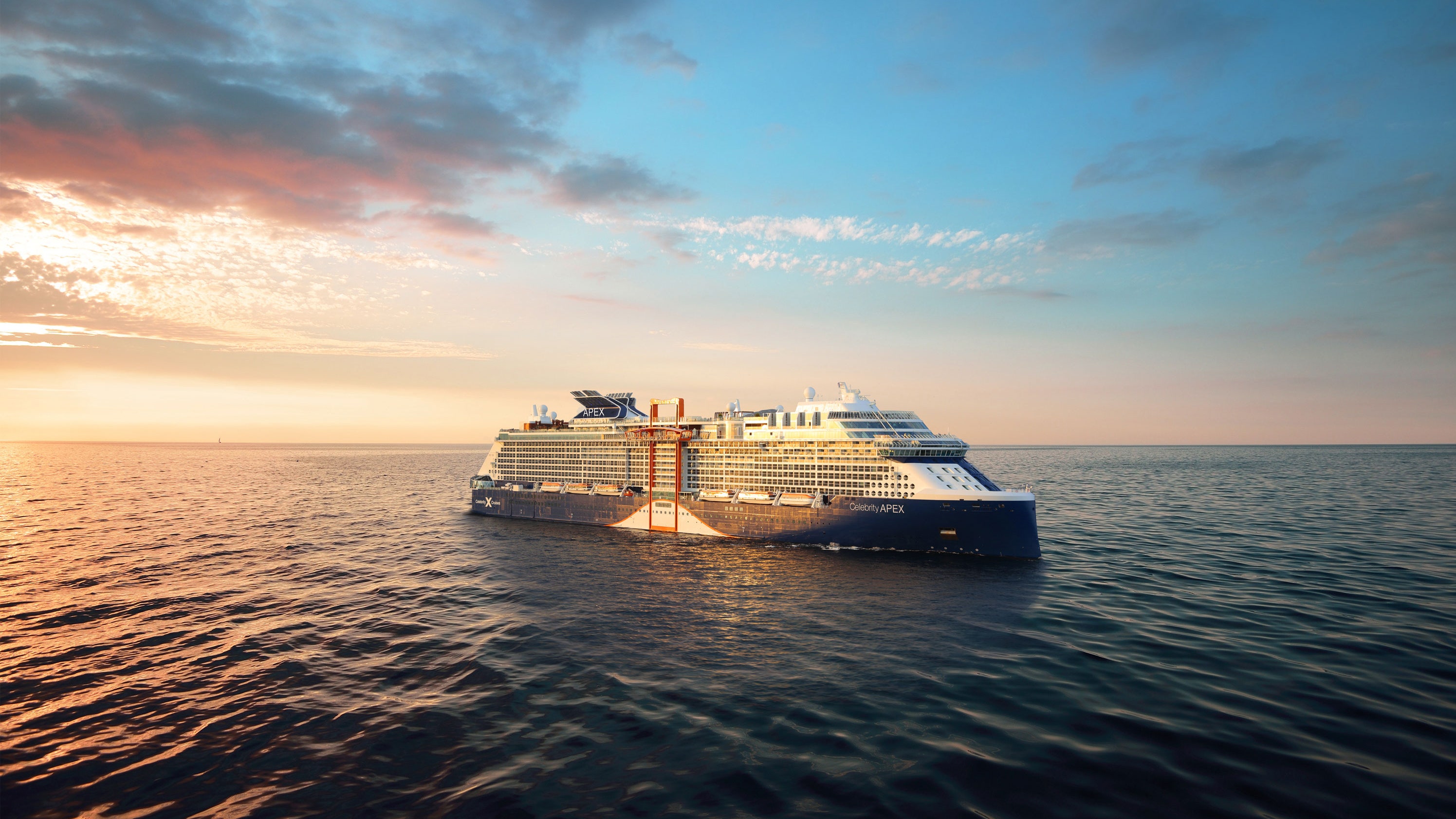
Why Don T Cruise Ships Tip Over Cruise Blog

How Did A Ship Get Stuck In The Suez Canal And What Happened Afterward The Washington Post

Pin On Plants And Animals

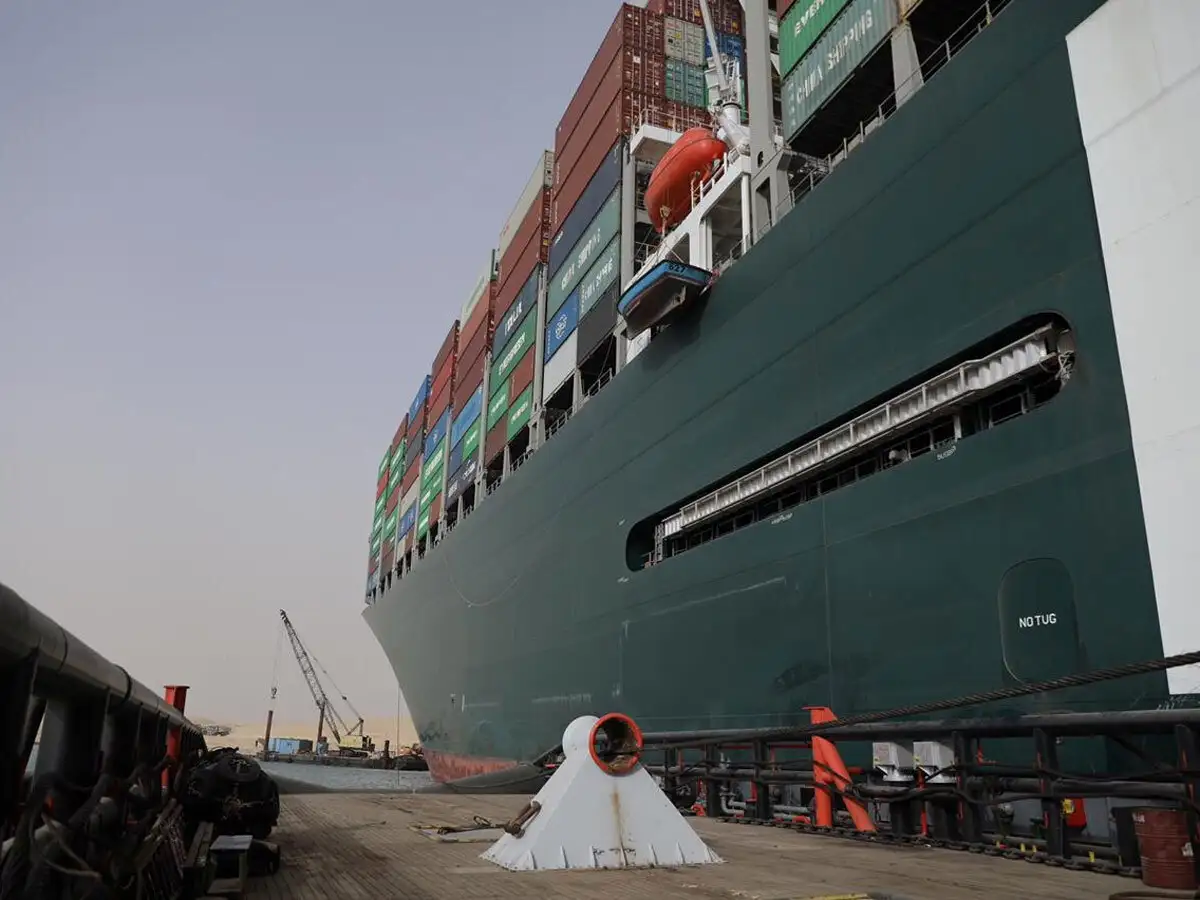
Evergreen Shipping Line Latest News Videos Photos About Evergreen Shipping Line The Economic Times Page 1

How Stabilisers Stop Ships Capsizing Scientific Scribbles

Upgrades Repairs C22 C 22 Catalina 22 Sailboat Modifications Projects Catalina Rigging Maintenance Maintaining Mas Sailing Lessons Sailboat Sailing

