Propulsion Pods On Cruise Ships

Abb To Power All Three New Virgin Voyages Cruise Ships Seatrade Cruise Com
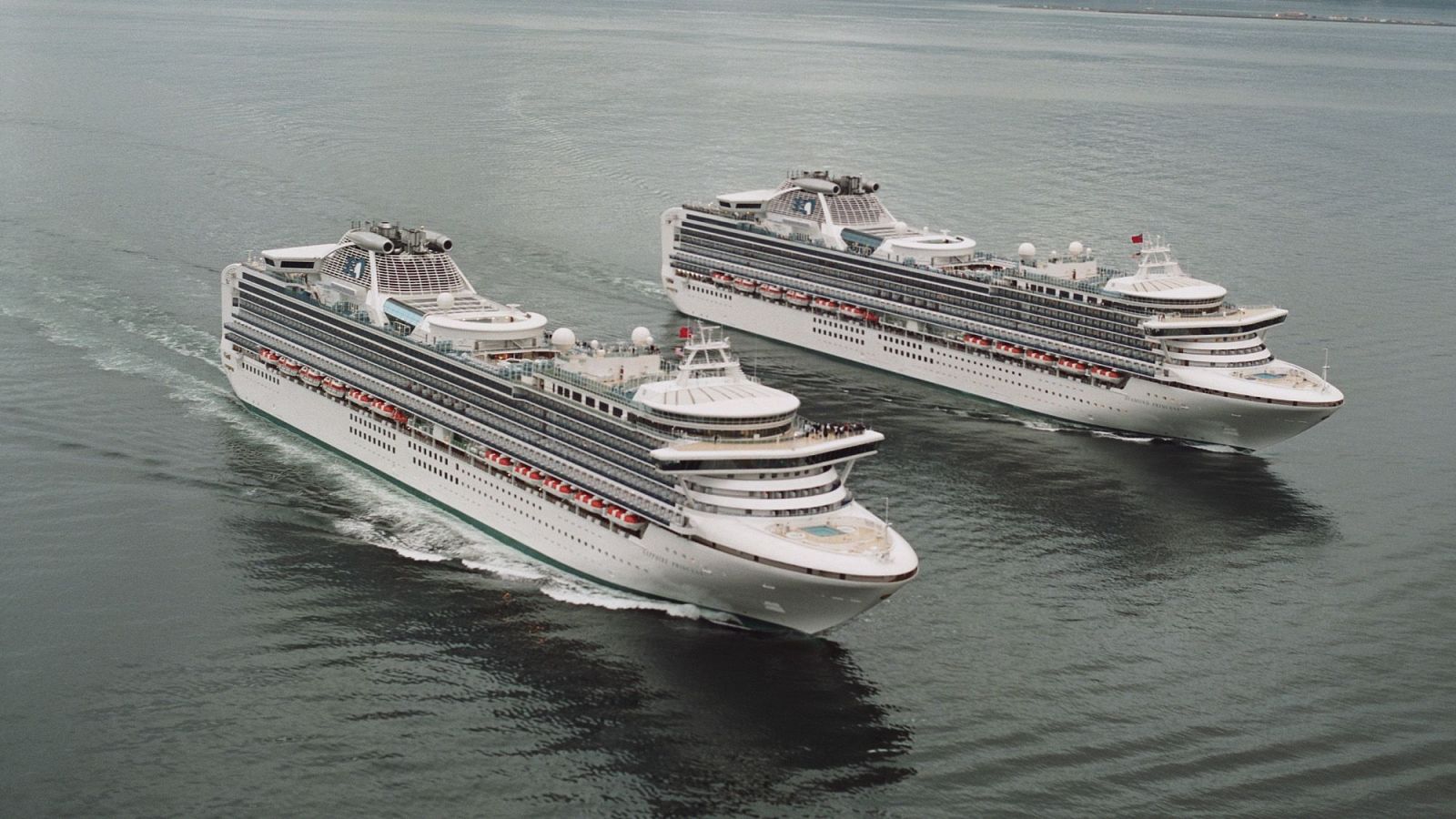
Pods Versus Water Lubricated Propellers
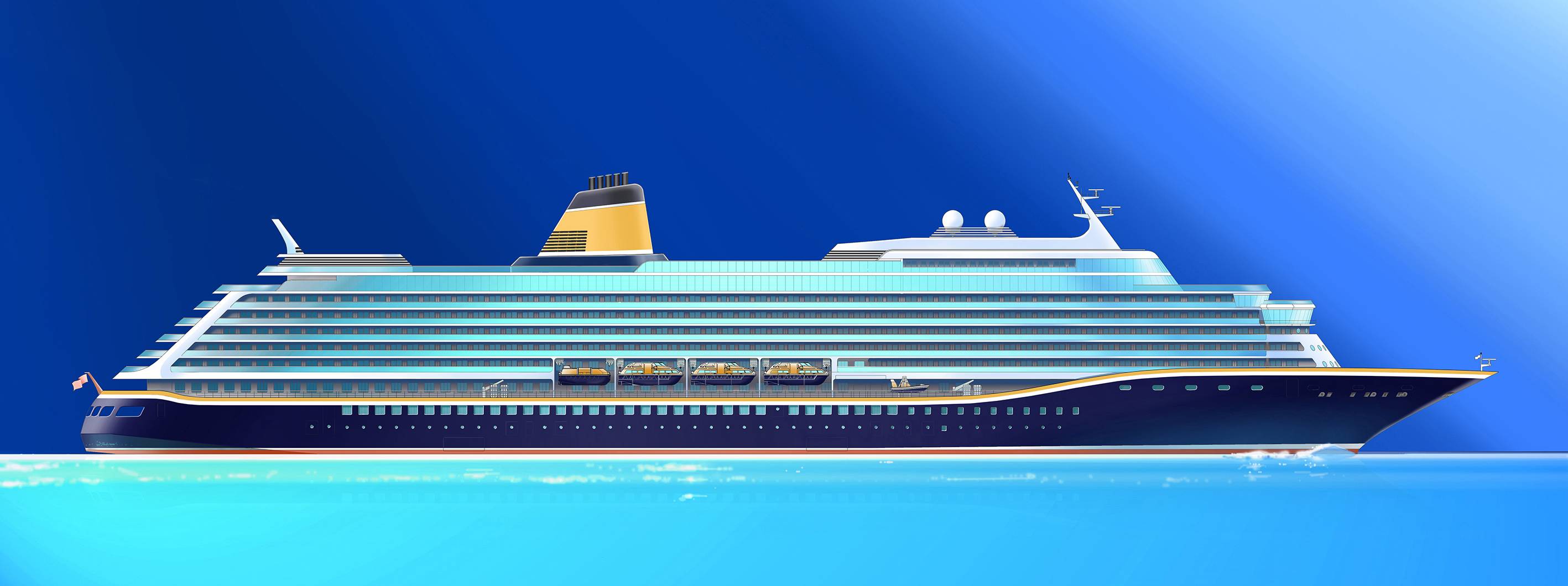
Siemens Supplies Propulsion For Saga Cruises Newbuild
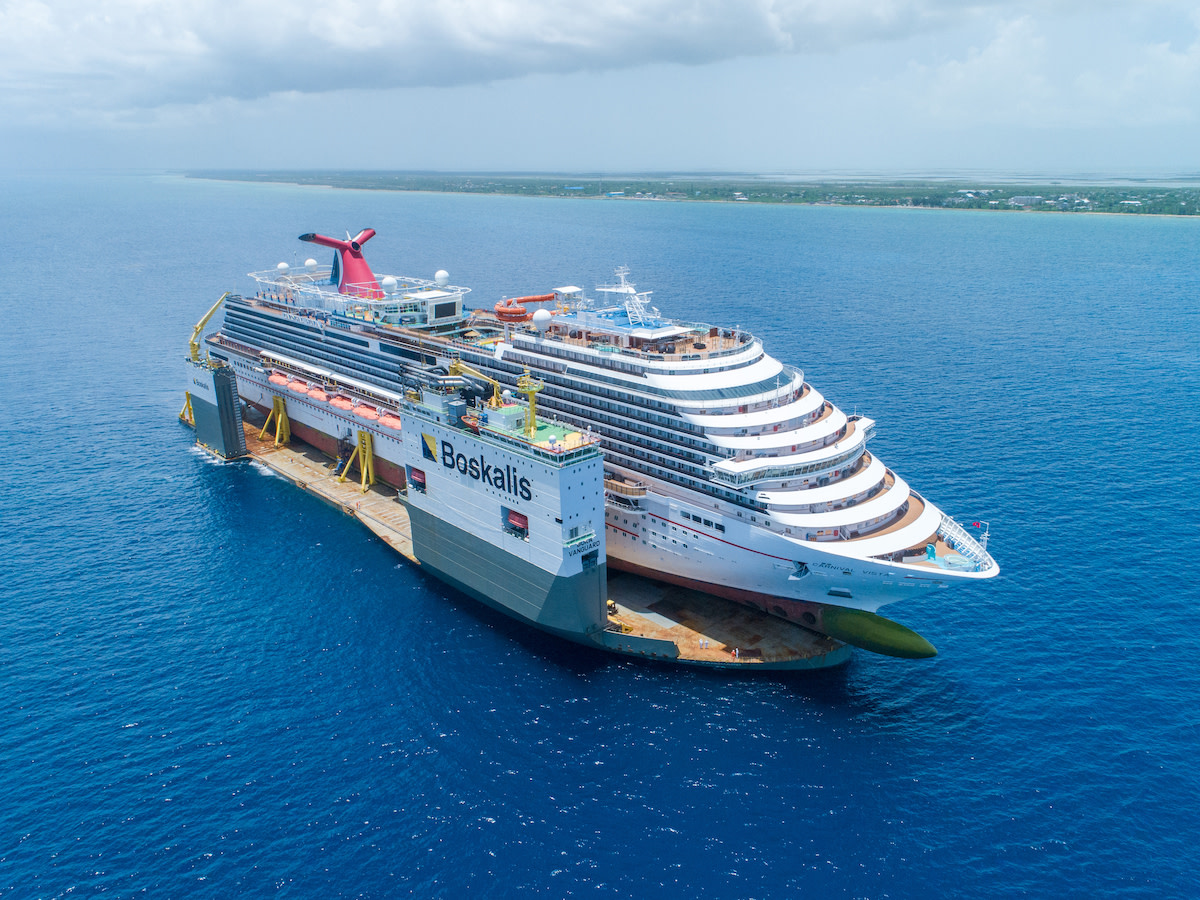
Dry Dock Vessel Gives Carnival Cruise Ship A Lift Soundings Online

Carnival Vista Pods To Be Fixed In Boskalis Floating Dock Seatrade Cruise Com
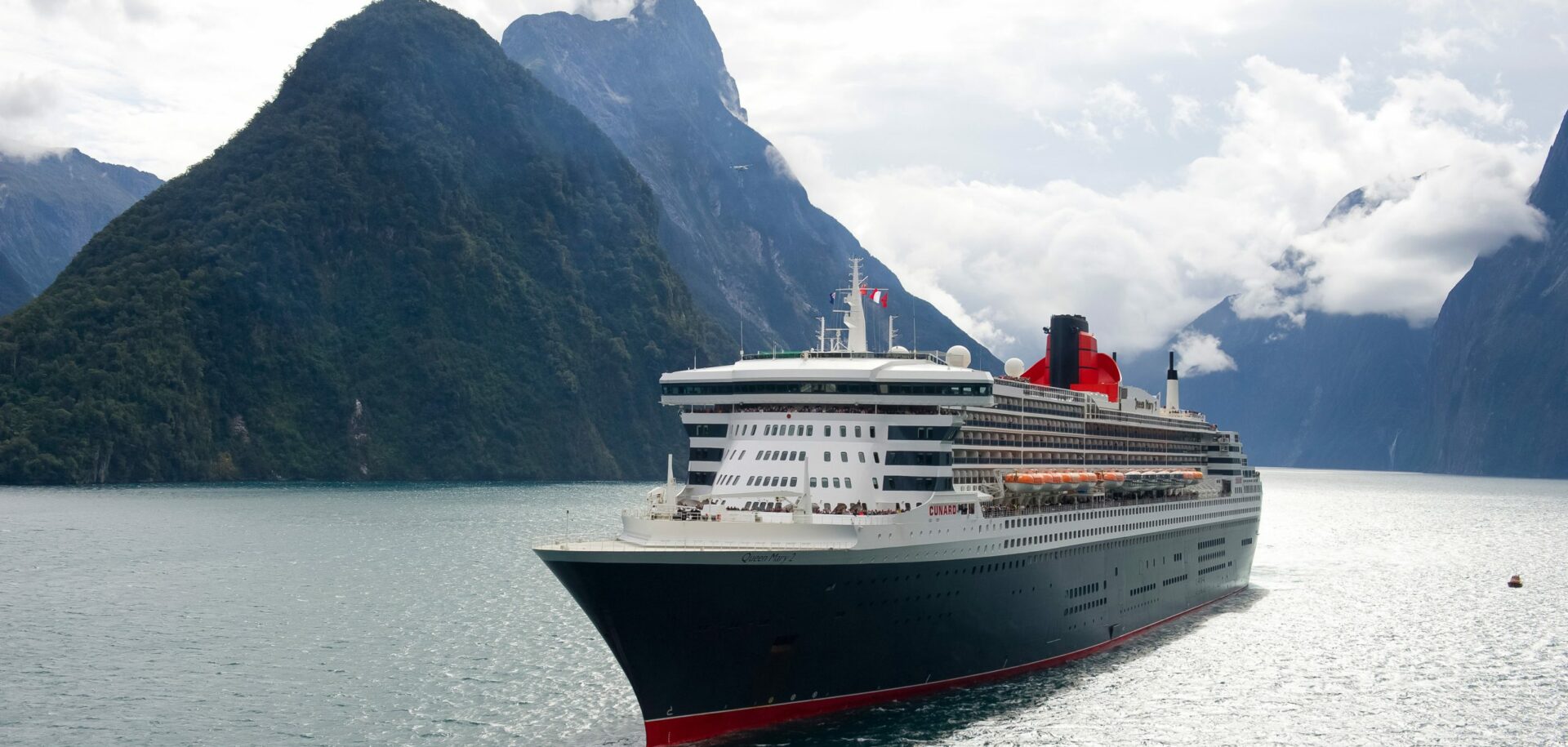
Innovative Ship Propulsion Design
Side thrusters use is eliminated as pods can be used to provide side thrust.
Propulsion pods on cruise ships. Pods create less noise and vibration which equals less impact on sea life he said. The gondola revolves around a vertical. These pod units are manufactured by Rolls Royce-KAMEWACegeleg.
Pod-propulsion is an industry standard today in passenger cruise ships and has been applied also for product tankers two refits icebreakers and offshore vessels. Originally introduced in the late 1980s Azipod created a revolution in ship propulsion technology. Azipod cruise ship propulsion system can be placed below the ships height and provide more efficiency than conventional systems.
Most cruise ships have two pods. I understand one of the most recent cruise ships went the non pod route but had a massive number of bow and stern thrusters though there were reliability problems on a couple of pods which was cited as the. They are usually located below the stern of a ship making use of the following internal.
One of the largest pod installations up till now the cruise liner Millennium built by Chantiers de LAtlantique is shown in Figs. Ad Enjoy private balcony swimming pool waterslide park VR experience and free buffet. POD is one type of azimuth propulsion consisting of an integrated electric motor propeller unit mounted on the same shaft installed in a gondola under the stern of the ship.
40 facilities and activities. Ad Enjoy private balcony swimming pool waterslide park VR experience and free buffet. In case the ships have large breadth two or more azipod systems independent from one another can be used to provide subtle maneuvering.
2 Two KAMEWA-Pods with 21 MW each on the Cruise Liner Millennium. Several ships have a combination of azimuthing pods and pods that do not turn sometimes called fixipods that are used to provide forward and backwards propulsion. The pods were installed on four Celebrity ships Millennium Summit Infinity and Constellation.

Quantum Of The Seas Marine References Abb

New Expedition Cruise Design Features Disease Control And Fuel Efficiency Shipinsight

Norwegian Joy Cruise Ship Ship Technology

Mv Werften Selects Abb Propulsion Automation And Marine Software For Five New Genting Vessels

Understanding Pod Drive Propulsion Sea Trial A Volvo Penta Ips Boat With The Joystick Docking System Sailing Adventures Boat Propulsion
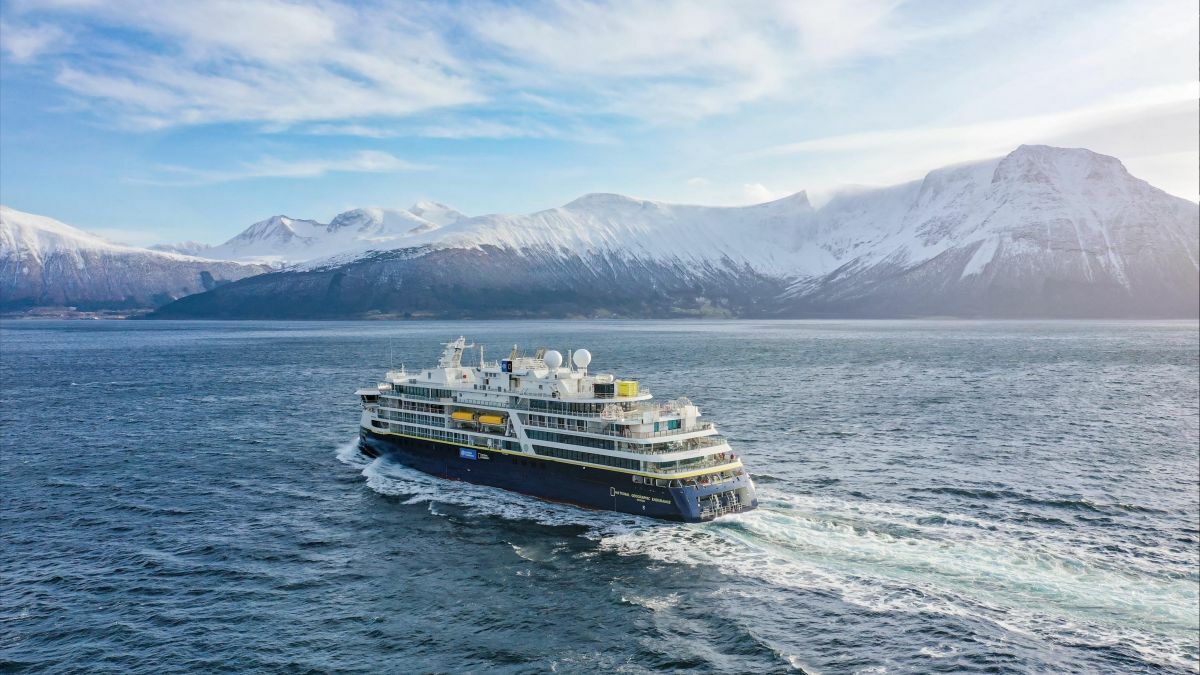
Riviera News Content Hub Into The Ice Safely The Expedition Ship Created By A Brains Trust

New Expedition Cruise Vessel Design Ship Offshore
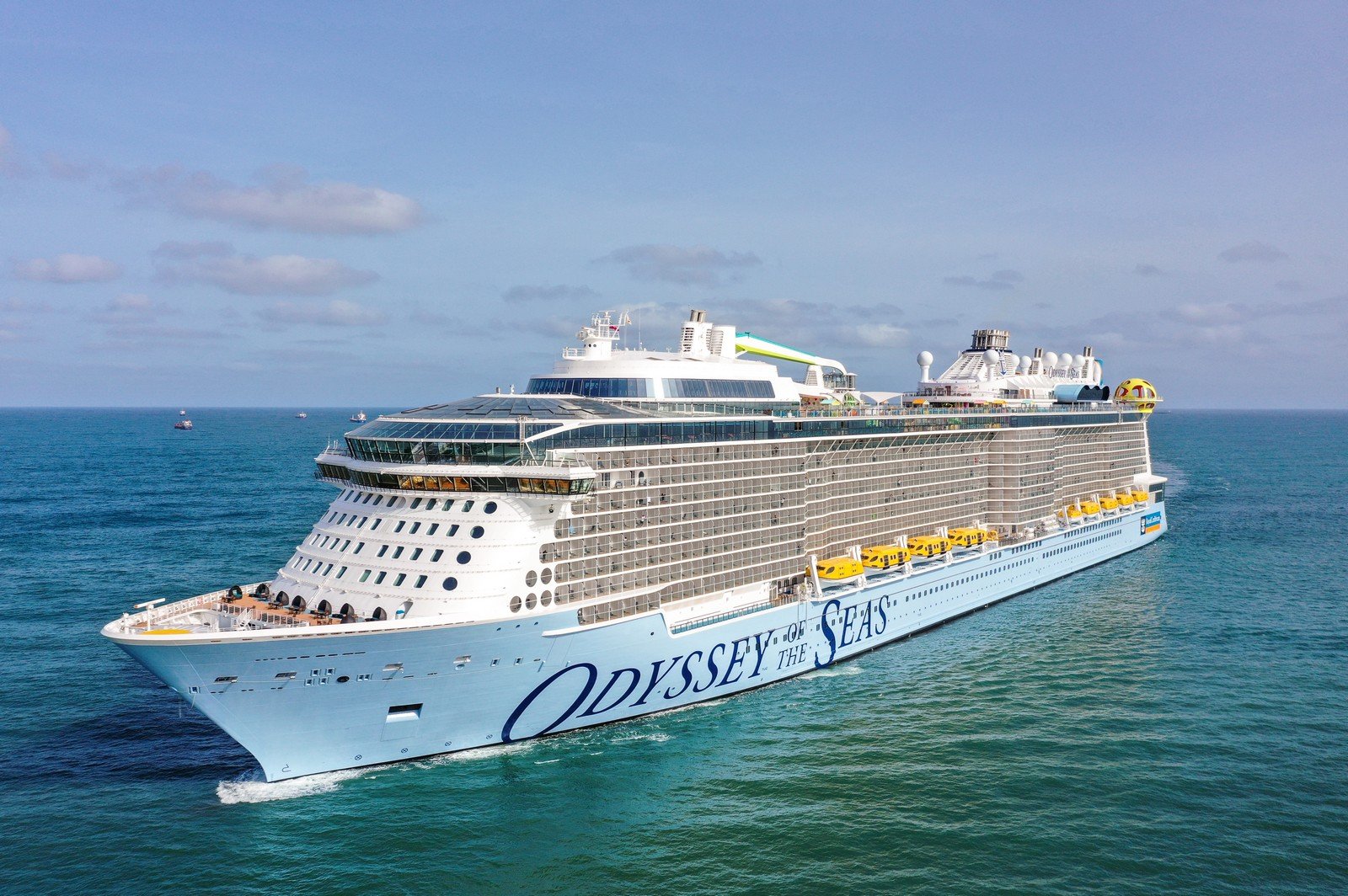
Complete Guide To Odyssey Of The Seas Royal Caribbean Blog
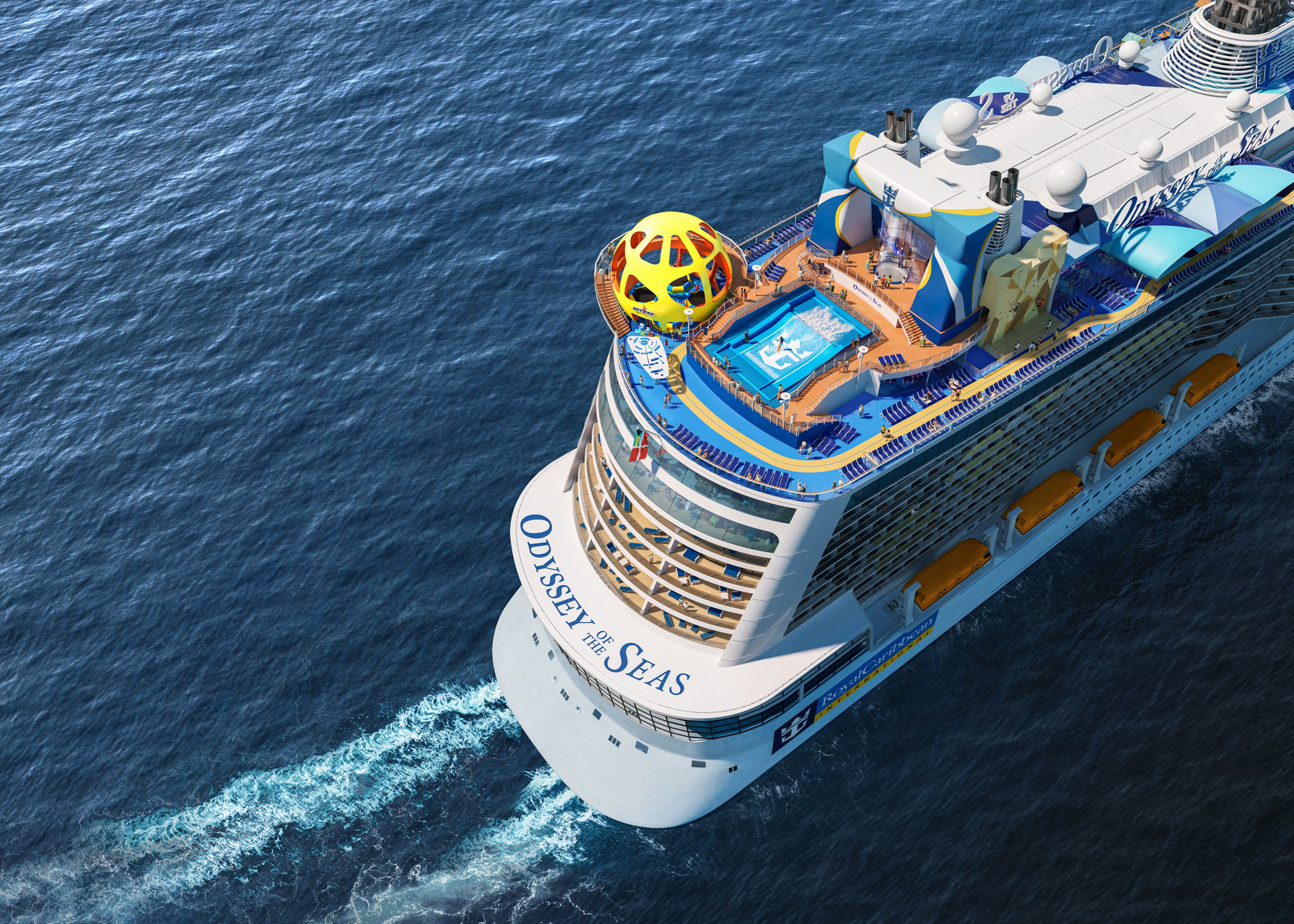
Odyssey Of The Seas Royal Caribbean Blog
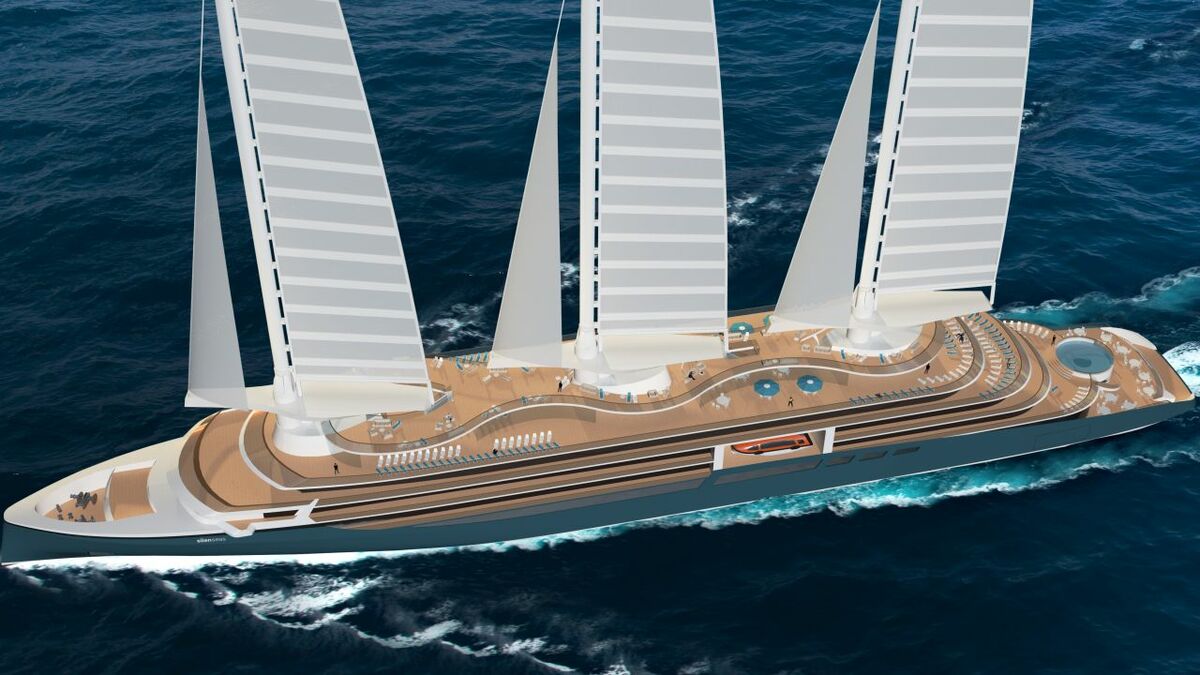
Riviera News Content Hub French Yard Focuses On Wind And Lng For Cruise
How Do Cruise Ships Move Quora
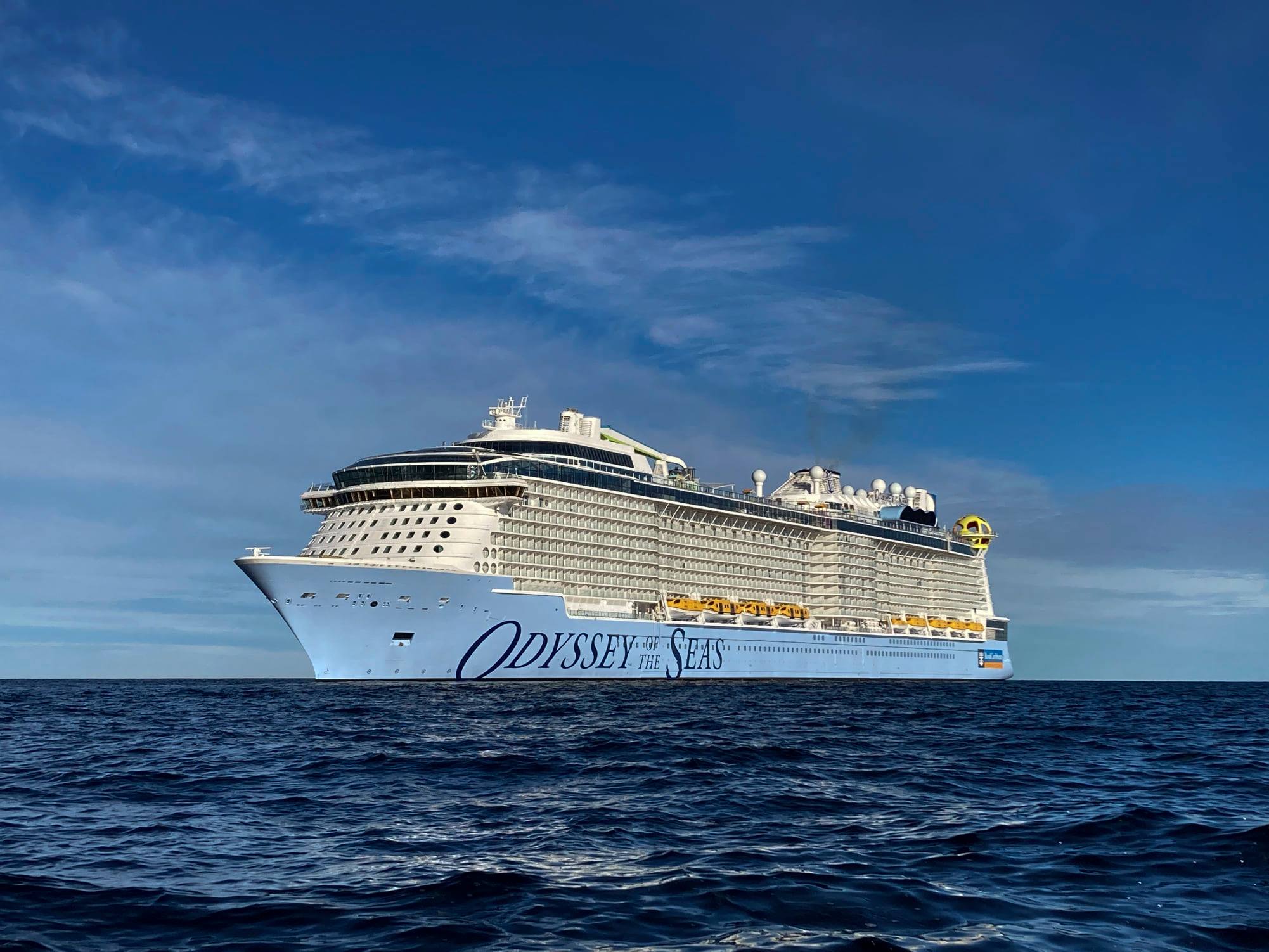
Odyssey Of The Seas Royal Caribbean Blog

Norwegian Joy Cruise Ship Ship Technology
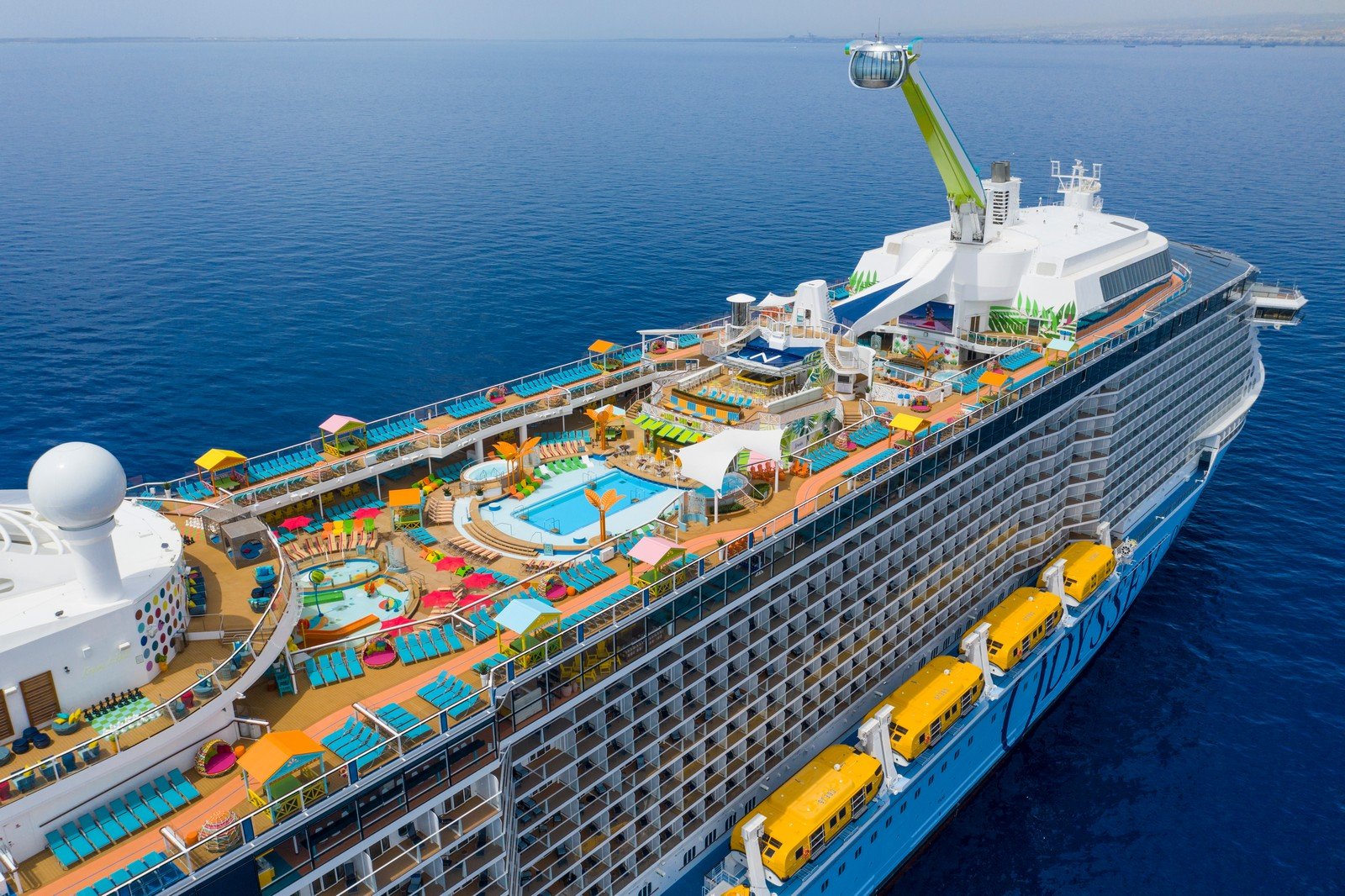
Complete Guide To Odyssey Of The Seas Royal Caribbean Blog

