Why Do Cruise Ships Float

How Do Massive Cruise Ships Float Explainers Travel Leisure Travel And Leisure Cruise Ship Travel
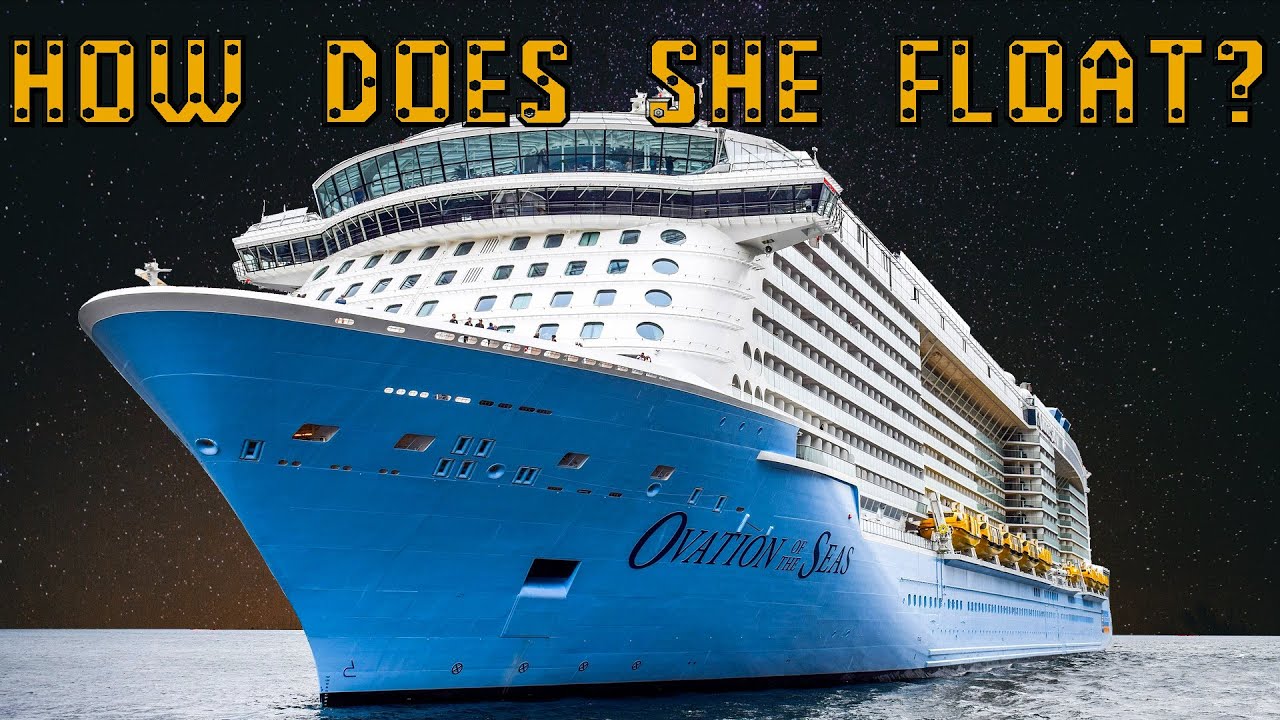
Why Do Big Ships Float Buoyancy And Flotation Explained Youtube Basic Concepts Float Explained

Why Do Ships Float In 2021 Float Buoyant Ship
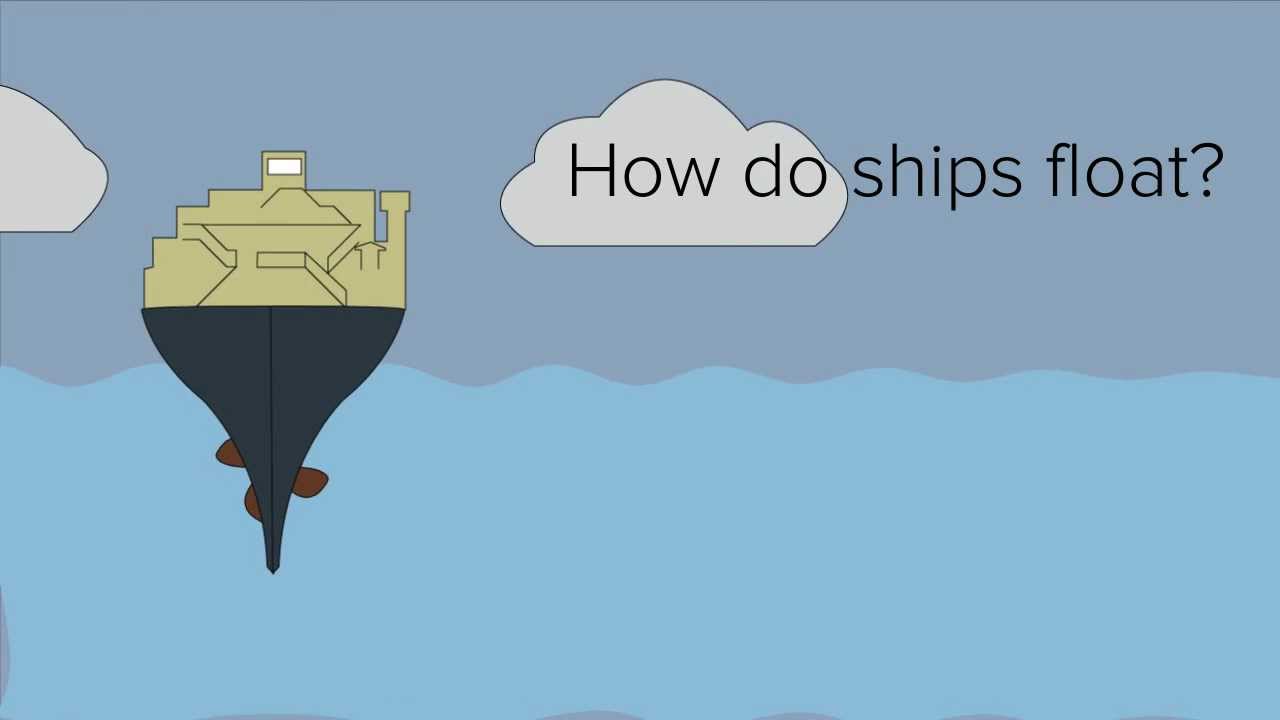
Pin By Nancy Boushra On Montessori Science Preschool Science Middle School Science Teaching Science

6 000 000 000 Floating City Freedom To Dwarf World S Largest Ships Ever Built Floating City Biggest Cruise Ship Cruise

How Do Big Cruise Ships Loaded With Passengers Stay Afloat Science Experiment Kids Science Experiments Homeschool Science Experiments Fun Science

So if the force exerted downward on the object by gravity is less than the buoyant force the object will float.
Why do cruise ships float. This force is called buoyant force. A ship might be massive but so is the amount of water it displaces. According to the principle of buoyancy an object immersed in a liquid will face an upward force.
If it is less dense than water it will float. Cruise ships and other large vessels will float if they displace an amount of water equal to their mass. Cooking oils are less dense than water which is why they sit on the top of pots of water.
A small solid object might not float however. October 30 2016 Not everything thats heavy sinks right to the bottom of the ocean floor and theres no greater proof than Royal Caribbeans Harmony of the Seas which happens to be the biggest cruise ship on Earth. Similar to the container with cotton balls most of the space within a ship is hollow and full of air or empty space.
It doesnt take much to appreciate the fascinating science that keeps these massive vessels afloat. Learn about displacement with Jessi and The Giant Squid Squidstravaganza--. Why do big ships float.
Ever wonder why something as heavy as a cruise ship could float above the water. Less water displaced results in a smaller buoyant force. There are hundreds of ships moving hundreds of thousands of guests and crew from port to port every single day.
This infographic demonstrates in an easy to follow manner why ships no matter how big they are float. If something is denser than water in general it will sink. Gravity exerts a downward force on the object its weight which is determined by the objects mass.

Top 10 Ships In Storm Incredible Monster Waves A Video You Must See Huge Waves Waves Cruise Ship

10 Things To Do On A Cruise Ship Livvyland Cruise Travel Cruise Photography Cruise Ship

Get Wonderful Recommendations On Royal Caribbean Ships They Are Actually Readily Available For You On Royal Caribbean Ships Cruise Ship Biggest Cruise Ship

Ship Launch Of Cruise Ship Quantum Of The Seas Float Out At Shipyard Cruise Ship Cruise Most Popular Sites

Costa Cruises Presents New Itineraries For Winter 2020 2021 Cruzeiros Costa Cruzeiros Navios De Cruzeiro

The Ultimate Guide For A First Time Cruiser What To Expect On A Cruise Cruise Cruise Travel Norwegian Cruise

Costa Cruises Costa Deliziosa Costa Cruises Cruise Ship Cruise

Live Float Out Of The Quantum Of The Seas At Meyer Werft Anthem Of The Seas Royal Caribbean International Float

Pelatihan Kapal Pesiar Housekeepin Cleaner Dan Galley Utility Di Balai Latihan Kerja Lombok Timur Kapal Pesiar Pesiar Kapal

P O Cruises Names New Ship Iona P O Cruises Best Cruise Ships Cruise Liner

What Are Passenger Ships Passenger Ship Cruise Ship Passenger

Why A Cruise Vacation Best Things About Cruises Cruise Vacation Cruise Culture Travel

Download This Stock Image Royal Caribbean Cruise Ship Liner Explorer Of The Seas Moored At Royal Caribbean Cruise Ship Royal Caribbean Cruise Caribbean Cruise
Britannia Cruise Ship New Cruise Ship P O Cruises P O Cruises Cruise Travel Cruise Ship

